


Guia de ingredientes de shampoo para marcas próprias
Entre em qualquer corredor de cuidados com os cabelos, e você verá prateleiras repletas de xampus prometendo brilho, volume, força, e reparar. Mas assim que você vira uma das garrafas para verificar a lista de ingredientes – de repente, você vai se sentir como se estivesse diante de um exame de química para o qual nunca estudou.
O que exatamente é lauril sulfato de sódio? Por que a água está listada em primeiro lugar na lista de ingredientes? O que faz pantenol realmente faço?
Entendendo os ingredientes do shampoo é o primeiro passo para fazer escolhas mais inteligentes – seja você um consumidor em busca do produto certo ou um proprietário de marca desenvolvendo sua própria linha de produtos. Neste guia, vamos detalhar os ingredientes mais comuns do shampoo, explique o que eles fazem, e dizer o que procurar.
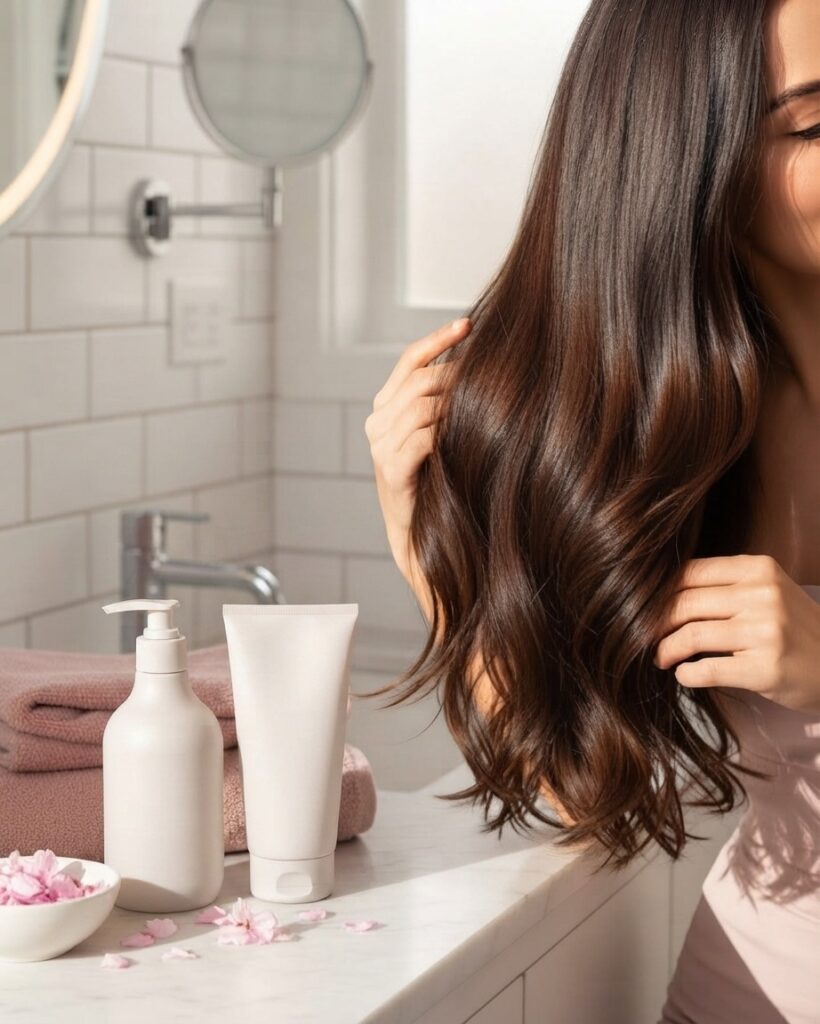
Ingredientes em qualquer shampoo
A maioria dos shampoos é composta pelos mesmos ingredientes principais. Água contas para 80%–90% de todos os shampoos, enquanto os 10% a 20% restantes consistem em surfactantes, agentes espumantes, condicionadores, espessantes, conservantes, e aditivos especiais.
Abaixo está uma explicação detalhada das principais categorias de ingredientes comumente encontradas em qualquer rótulo de shampoo..
1. Surfactantes – Agentes de Limpeza
Os surfactantes são os principais ingredientes ativos em qualquer shampoo. Sua função é levantar sujeira, óleo, sebo, e resíduos de produto do couro cabeludo e do cabelo para que possam ser enxaguados com água.
Os surfactantes mais comuns podem ser divididos nas seguintes categorias:
-
Surfactantes Aniônicos(Lauril Sulfato de Sódio (SLS), Lauril Sulfato de Sódio (SLES), Laureth Sulfato de Amônio) – Produtos de limpeza fortes que criam uma espuma rica
-
Surfactantes Anfotéricos(Betaínas, Cocamidopropil Betaína) – Produtos de limpeza suaves, frequentemente usado em fórmulas sem sulfato
-
Surfactantes Não Iônicos(Decil Glucosídeo, Lauril Glucosídeo) - Leve, produtos de limpeza derivados de plantas
O que procurar: Se você tem couro cabeludo sensível ou cabelo seco, procure shampoos que usem surfactantes mais suaves como betaínas ou glicosídeos. Eles limpam de forma eficaz sem remover os óleos naturais.
2. Agentes Condicionadores – Os Amaciantes
O shampoo não apenas limpa – ele também precisa deixar o cabelo macio e maleável. Os agentes condicionantes ajudam a compensar os efeitos secantes dos surfactantes.
Ingredientes condicionantes comuns incluem:
-
Surfactantes catiônicos (como poliquatérnios) – moléculas carregadas positivamente que se ligam ao cabelo carregado negativamente, reduzindo a estática e melhorando a penteabilidade
-
Proteínas hidrolisadas (seda, queratina, trigo) – preencher lacunas na cutícula do cabelo para fortalecer e reparar
-
Glicerina – um umectante que atrai umidade para o cabelo
-
Pantenol (Provitamina B5) – penetra na haste do cabelo para hidratar e adicionar brilho
-
Silicones (Dimeticona, Ciclopentasiloxano) – cubra o cabelo para suavizar a cutícula e adicionar brilho
3. Espessantes e modificadores de viscosidade
Esses ingredientes dão ao shampoo sua familiar consistência de gel. Sem eles, shampoo seria tão líquido quanto água.
-
Cloreto de sódio (sal normal) – o espessante mais comum
-
Diestearato de glicol – acrescenta um tom perolado, aparência cremosa
4. Conservantes
Os conservantes evitam o crescimento de bactérias e mofo no seu shampoo. As opções comuns incluem:
-
Parabenos (metilparabeno, propilparabeno) – eficaz, mas controverso
-
Fenoxietanol – uma alternativa sem parabenos
-
Benzoato de sódio – um conservante mais suave
5. Aditivos Especiais
Estes são os ingredientes que tornam cada shampoo único – aqueles que atendem a problemas específicos do cabelo:
-
Piritiona de zinco – combate a caspa
-
Ácido salicílico – esfolia o couro cabeludo
-
Cafeína – estimula a circulação
-
Biotina – suporta força e espessura do cabelo
-
Aloe vera – acalma e hidrata
-
Extratos de plantas (alecrim, árvore do chá, hortelã-pimenta) – adicionar benefícios direcionados
Como ler os rótulos dos ingredientes do shampoo
Aqui está uma regra simples que tornará mais fácil para você entenda os ingredientes do shampoo: os ingredientes estão listados em ordem decrescente de concentração.
Os primeiros 4-5 ingredientes compõem os principais componentes do produto. Se a água estiver listada primeiro (e quase sempre é), isso é completamente normal – a água é o ingrediente principal do shampoo.
Os ingredientes listados após os cinco primeiros estão normalmente presentes em concentrações abaixo 1%, e sua ordem não é fixa.
Para dica: Não se deixe enganar pelas afirmações de marketing na frente da garrafa. Um shampoo rotulado “com óleo de argan” pode listar o óleo de argan no final da lista de ingredientes do INCI – o que significa que o produto contém apenas uma pequena quantidade dele.. Certifique-se de verificar a própria lista de ingredientes.
INCI (Nomenclatura Internacional de Ingredientes Cosméticos) é um sistema padronizado reconhecido mundialmente para rotulagem de ingredientes cosméticos. Isso torna mais fácil comparar produtos entre marcas e países.
Ingredientes a evitar
Nem todos os ingredientes do shampoo são criados iguais. Aqui estão alguns ingredientes a serem observados:
Sulfatos (SLS e SLES)
Os sulfatos são limpadores poderosos que produzem uma sensação satisfatória, espuma rica. No entanto, seu poder de limpeza pode ser muito forte- eles retiram a oleosidade natural do couro cabeludo e do cabelo, levando à secura, irritação, e desbotamento da cor em cabelos tingidos.
Quem deve evitá-los: Pessoas com couro cabeludo seco, cabelo cacheado, cabelos tingidos, ou couro cabeludo sensível.
Silicones (Insolúvel em água)
Silicones como a dimeticona formam uma película protetora na superfície do cabelo, fazendo com que pareça suave. No entanto, silicones insolúveis em água pode se acumular no cabelo com o tempo, fazendo com que pareça plano e evitando que a umidade penetre.
Quem deve evitá-los: Pessoas com multa, macio, ou cabelo fino que tende a parecer liso.
Parabenos
Esses conservantes inibem efetivamente o crescimento bacteriano, mas alguns estudos levantaram preocupações sobre o seu potencial para perturbar o sistema endócrino. Hoje, muitos consumidores procuram ativamente produtos sem parabenos.
Fragrâncias Sintéticas
Fragrâncias artificiais são irritantes comuns para couro cabeludo sensível. Se você tem um couro cabeludo sensível, escolher sem perfume ou naturalmente perfumado produtos.
O que isso significa para sua marca
Se você estiver desenvolvendo sua própria marca de produtos para os cabelos, entendendo os ingredientes do shampoo não é apenas útil - é essencial. Os ingredientes que você escolhe determinam o desempenho do seu produto, o posicionamento da sua marca, e como os consumidores percebem a qualidade de seus produtos.
Os consumidores de hoje estão mais informados do que nunca. Eles leem rótulos, saiba o que são sulfatos e parabenos, e esperamos que as formulações dos produtos sejam transparente, puro, e eficaz.
No Yikangyuan, temos formulado produtos para o cuidado do cabelo desde 2004. Nosso Profissional R&Laboratório D desenvolve fórmulas direcionadas usando surfactantes de alta qualidade, agentes condicionadores, e ingredientes ativos. De produtos de limpeza sem sulfato a fórmulas de reparação ricas em proteínas, ajudamos marcas a criar shampoos que proporcionam resultados reais.
Nosso Cabelo & Produção de cuidados corporais extensão de capacidades Xampu & Condicionador, Tratamento do couro cabeludo, Máscara capilar, Óleo para cabelo, e coleções completas de cuidados com o corpo. Nós oferecemos Fórmula personalizada desenvolvimento e Embalagem personalizada projetado para dar vida à visão da sua marca. E com total Envio & Logística e Suporte pós-venda, estamos com você em cada passo do caminho.
Saiba mais sobre Nossa fábrica e o nosso compromisso com Sustentável & Práticas Naturais.
Contate-nos para discutir como podemos ajudá-lo a construir uma linha de shampoo que se destaque.
Perguntas frequentes
1. Qual é o ingrediente mais importante do shampoo?
Os surfactantes são os mais essenciais – são eles que realmente limpam o seu cabelo. Mas o melhor shampoo equilibra uma limpeza eficaz com agentes condicionantes para manter o cabelo macio e saudável..
2. Os sulfatos são realmente tão ruins?
Não para todos. Os sulfatos são produtos de limpeza eficazes, mas podem secar pessoas com couro cabeludo sensível, cabelo cacheado, ou cabelos tingidos. Alternativas sem sulfato usam surfactantes mais suaves.
3. O que significa “sem parabenos”?
Isso significa que o produto usa conservantes alternativos em vez de parabenos. Muitos consumidores preferem isso devido a preocupações com a interrupção hormonal.
4. Como posso saber se um shampoo é de boa qualidade?
Leia a lista de ingredientes. Procure surfactantes suaves (betanas, glicosídeos), agentes condicionantes benéficos (pantenol, proteínas hidrolisadas), e evite sulfatos agressivos e silicones não solúveis em água se você tiver cabelos sensíveis ou secos.
- Ingredientes em qualquer shampoo
- 1. Surfactantes – Agentes de Limpeza
- 2. Agentes Condicionadores – Os Amaciantes
- 3. Espessantes e modificadores de viscosidade
- 4. Conservantes
Pronto para lançar sua linha de cuidados capilares de marca própria?
Fórmulas personalizadas, suporte de embalagem, controle de qualidade e serviço de exportação — tudo de um fabricante experiente.
