メインコンテンツへ移動
SKU あたりの一般的な MOQ: 5k個; 20,000 以上からの段階的な価格設定; NDA およびコンプライアンスのサポートが利用可能.
OEM/ODMメーカー カスタム配合 20+ 長年の経験 6 最小読み取り

シャンプーの成分に何が隠れているのか?

ヘアケア通路に入る, そして、輝きを約束するシャンプーが並んだ棚が見えるでしょう, 音量, 強さ, そして修理する. But as soon as you flip one of the bottles over to check the ingredient list—suddenly, you’ll feel like you’re facing a chemistry exam you never studied for.

What exactly is sodium lauryl sulfate? Why is water listed first on the ingredient list? What does パンテノール actually do?

Understanding shampoo ingredients is the first step toward making smarter choices—whether you’re a consumer looking for the right product or a brand owner developing your own product line. In this guide, we’ll break down the most common shampoo ingredients in detail, explain what they do, and tell you what to look for.

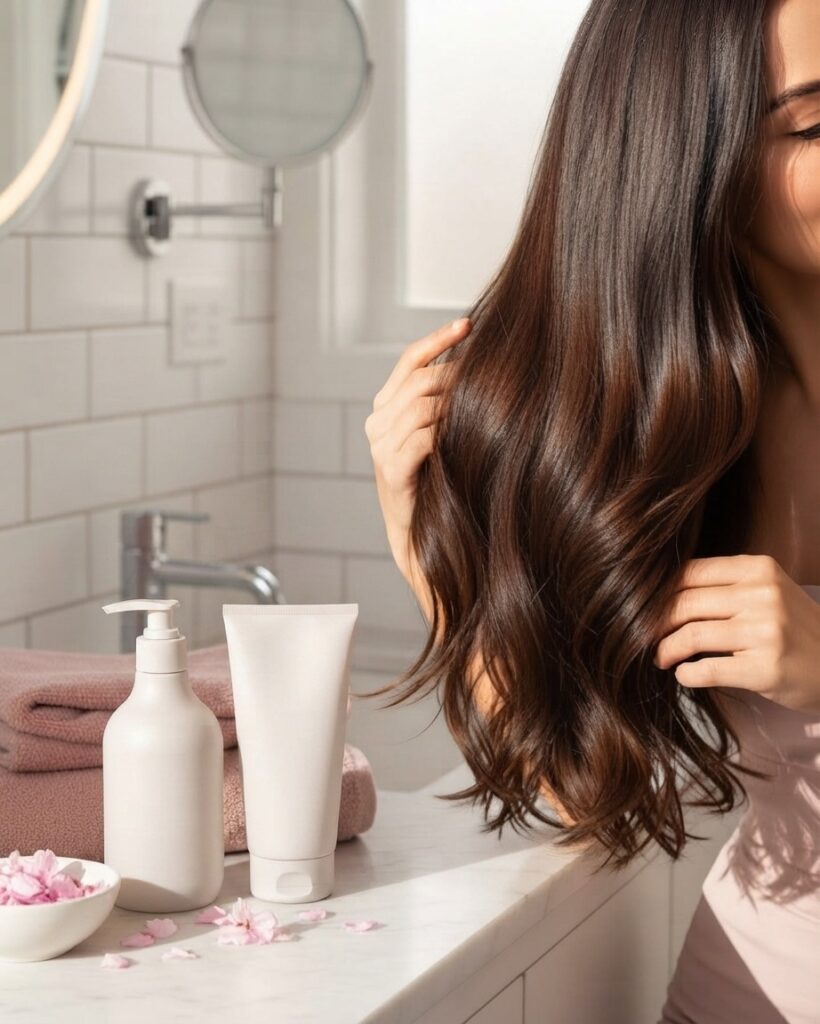
Understanding shampoo ingredients – infographic showing the key components of a shampoo formula including surfactants, conditioning agents, thickeners, preservatives, and specialty additives, with a focus on how to read an INCI ingredient list.

Ingredients in Any Shampoo

Most shampoos are made up of the same core ingredients. Water accounts for 80%–90% of all shampoos, while the remaining 10%–20% consists of surfactants, foaming agents, コンディショナー, thickeners, preservatives, and special additives.

Below is a detailed explanation of the main ingredient categories commonly found on any shampoo label.

1. Surfactants—Cleansing Agents

Surfactants are the main active ingredients in any shampoo. Their function is to lift dirt, 油, sebum, and product residue from the scalp and hair so they can be rinsed away with water.

The most common surfactants can be divided into the following categories:

  • Anionic Surfactants(Sodium Lauryl Sulfate (SLS), Sodium Laureth Sulfate (SLES), Ammonium Laureth Sulfate) – Strong cleansers that create rich lather

  • Amphoteric Surfactants(Betaines, Cocamidopropyl Betaine) – Gentle cleansers, often used in sulfate-free formulas

  • Non-Ionic Surfactants(Decyl Glucoside, Lauryl Glucoside) – Mild, plant-derived cleansers

What to look for: If you have a sensitive scalp or dry hair, look for shampoos that use gentler surfactants like betaines or glucosides. These clean effectively without stripping natural oils.

2. Conditioning Agents – The Softeners

Shampoo doesn’t just clean—it also needs to leave hair feeling smooth and manageable. Conditioning agents help offset the drying effects of surfactants.

Common conditioning ingredients include:

  • Cationic surfactants (like Polyquaterniums) – positively charged molecules that bind to negatively charged hair, reducing static and improving combability

  • Hydrolyzed proteins (silk, ケラチン, wheat) – fill gaps in the hair cuticle to strengthen and repair

  • グリセリン – a humectant that draws moisture into the hair

  • Panthenol (Provitamin B5) – penetrates the hair shaft to moisturize and add shine

  • Silicones (Dimethicone, Cyclopentasiloxane) – coat the hair to smooth the cuticle and add shine

3. Thickeners and Viscosity Modifiers

These ingredients give shampoo its familiar gel-like consistency. Without them, shampoo would be as runny as water.

  • Sodium chloride (regular salt) – the most common thickener

  • Glycol distearate – adds a pearlescent, creamy appearance

4. Preservatives

Preservatives prevent bacteria and mold from growing in your shampoo. Common options include:

  • Parabens (methylparaben, propylparaben) – effective but controversial

  • Phenoxyethanol – a paraben-free alternative

  • Sodium benzoate – a gentler preservative

5. Specialty Additives

These are the ingredients that make each shampoo unique—the ones that address specific hair concerns:

  • Zinc pyrithione – fights dandruff

  • Salicylic acid – exfoliates the scalp

  • Caffeine – stimulates circulation

  • Biotin – supports hair strength and thickness

  • Aloe vera – soothes and hydrates

  • Plant extracts (rosemary, tea tree, peppermint) – add targeted benefits

How to Read Shampoo Ingredient Labels

Here’s a simple rule that will make it easier for you to understand shampoo ingredients: ingredients are listed in descending order of concentration.

The first 4–5 ingredients make up the product’s main components. If water is listed first (and it almost always is), this is completely normal—water is the main ingredient in shampoo.

Ingredients listed after the top five are typically present at concentrations below 1%, and their order is not fixed.

Pro Tip: Don’t be fooled by the marketing claims on the front of the bottle. A shampoo labeled “with argan oil” may list argan oil at the very end of the INCI ingredient list—meaning the product contains only a trace amount of it. Be sure to check the ingredient list itself.

INCI (International Nomenclature of Cosmetic Ingredients) is a globally recognized standardized system for labeling cosmetic ingredients. This makes it easier to compare products across brands and countries.

Ingredients to Avoid

Not all shampoo ingredients are created equal. Here are some ingredients to watch out for:

Sulfates (SLS and SLES)

Sulfates are powerful cleansers that produce a satisfying, rich lather. しかし, their cleansing power can be too strong—they strip the scalp and hair of their natural oils, leading to dryness, irritation, and color fading in dyed hair.

Who Should Avoid Them: People with dry scalps, 巻き毛, color-treated hair, or sensitive scalps.

Silicones (Water-Insoluble)

Silicones such as dimethicone form a protective film on the hair’s surface, making it feel smooth. しかし, water-insoluble silicones can build up on the hair over time, causing it to look flat and preventing moisture from penetrating.

Who should avoid them: People with fine, 柔らかい, or thin hair that tends to look flat.

Parabens

These preservatives effectively inhibit bacterial growth, but some studies have raised concerns about their potential to disrupt the endocrine system. Today, many consumers are actively seeking paraben-free products.

Synthetic Fragrances

Artificial fragrances are a common irritant for sensitive scalps. If you have a sensitive scalp, choose unscented または naturally scented products.

これがあなたのブランドにとって何を意味するか

If you’re developing your own brand of hair care products, understanding shampoo ingredients isn’t just helpful—it’s essential. The ingredients you choose determine your product’s performance, your brand’s positioning, and how consumers perceive the quality of your products.

Today’s consumers are more informed than ever. They read labels, know what sulfates and parabens are, and expect product formulations to be transparent, pure, そして 効果的.

宜康源, we’ve been formulating hair care products since 2004. 私たちの プロフェッショナルR&D研究室 develops targeted formulas using high-quality surfactants, conditioning agents, and active ingredients. From sulfate-free cleansers to protein-rich repair formulas, we help brands create shampoos that deliver real results.

私たちの 髪 & ボディケア製造 capabilities span シャンプー & コンディショナー, 頭皮トリートメント, ヘアマスク, ヘアオイル, and complete body care collections. We offer カスタム式 development and カスタムパッケージ designed to bring your brand vision to life. And with full 配送 & ロジスティクス そして アフターサポート, we’re with you every step of the way.

詳しくはこちら 私たちの工場 そして私たちのコミットメント 持続可能な & 自然な習慣.

お問い合わせ to discuss how we can help you build a shampoo line that stands out.

よくある質問

1. What is the most important ingredient in shampoo?

Surfactants are the most essential—they’re what actually cleans your hair. But the best shampoo balances effective cleansing with conditioning agents to keep hair feeling soft and healthy.

2. Are sulfates really that bad?

Not for everyone. Sulfates are effective cleansers, but they can be drying for people with sensitive scalps, 巻き毛, or color-treated hair. Sulfate-free alternatives use gentler surfactants.

3. What does “paraben-free” mean?

It means the product uses alternative preservatives instead of parabens. Many consumers prefer this due to concerns about hormone disruption.

4. How can I tell if a shampoo is good quality?

Read the ingredient list. Look for gentle surfactants (betaines, glucosides), beneficial conditioning agents (パンテノール, hydrolyzed proteins), and avoid harsh sulfates and non-water-soluble silicones if you have sensitive or dry hair.

重要なポイント
  • Ingredients in Any Shampoo
  • 1. Surfactants—Cleansing Agents
  • 2. Conditioning Agents – The Softeners
  • 3. Thickeners and Viscosity Modifiers
  • 4. Preservatives
0長年の経験
0生産ライン
0成熟したフォーミュラ
0提供ブランド
宜康源

宜康源

OEM/ODM ヘアケアのスペシャリスト · 宜康源製造

ヘアケア処方に特化したプライベートブランドコンサルタント, 製品開発, グローバルビューティーブランドのパッケージングおよびOEM/ODM製造サポート.