

5 ヘアケアメーカーが避けるべき間違い (OEM Guide)
世界のヘアケア市場は年々拡大を続けている, しかし、市場の成長はすべてのブランドの成功を保証するものではありません. ブランドが拡大するか失速するかは、多くの場合、適切な製造パートナーの選択という 1 つの重要な決定にかかっています。.
長年にわたって, 多くのブランドオーナー, 販売代理店, 電子商取引の販売者は、ヘアケア製品のメーカーを選択する際に、多大な損害を被るミスを犯しています。. 一部のエラーによりプロジェクトが数か月遅れた; 他のものはブランドの衰退に直接貢献しました. この記事では, 最も一般的な 5 つの間違いを分析し、, もっと重要なこと, それらを避ける方法を教えてください.
間違い 1: あなたの製品は誰のためのものですか?
多くのブランドが急いで ヘアケアメーカー 製品アーキテクチャを最初に明確にすることなく、. これは目的地のないロードトリップに出発するようなもので、時間を無駄にすることになります。, お金, そして盲目的にさまようエネルギー.
大衆向けのデイリーケア製品を発売していますか、それともサロングレードのプロフェッショナル トリートメントを発売していますか?? あなたの製品は皮脂コントロールとフケ防止に重点を置いていますか?, 平滑化と修復, 頭皮ケア, または縮れ防止? 販売チャネルは電子商取引ですか, スーパーマーケット, 薬局, またはプロのサロン? 各チャネルは配合に関して明らかに異なる要件を課します, 梱包, そして価格戦略.
それを避ける方法: 製品のポジショニングを定義する 前に どこの工場にでも連絡する. 専門の製造パートナーは、サンプリング段階で的を絞ったアドバイスを提供し、最もコスト効率の高い配合および包装ソリューションを推奨できる必要があります。. どこから始めればよいかわからない場合, ヘアケアメーカーの選び方に関するこの詳細なガイドでは、プロセス全体を説明します。.
間違い 2: ボトルに充填する以上のことができるのか?
すべてのメーカーが同じように作られているわけではありません. 一部の工場では製品を生産できますが、製品開発を支援することはできません。仕様に従って充填してそこで終了するだけです。.
本当の OEM/ODM パートナーは本番環境をはるかに超えたものを提供します. 理想的なパートナーは旅全体に関わります, 開発の初期から最終的な実行まで, 数式の選択またはカスタマイズを含む, 香りや質感の調整, サンプルの開発と改良, ボトルとパッケージの選択, ラベルとカートンのデザイン, 輸出書類の取り扱いも.
それを避ける方法: フルサービスのメーカーを探す. 工場が生産のみで梱包のサポートができない場合, サンプリング, または製品の改造, すべての問題を自分で解決する必要があります。, 新興ブランド向け, 多くの場合、膨大な時間とコストの超過につながります.
宜康源 ワンストップでサポートするヘアケアメーカーです, カバーリング配合R&D, サンプルトライアル, パッケージングのカスタマイズ, そして大量生産. 私たちは単なるプロデューサーではありません; 私たちは貴社のブランド構築に尽力するパートナーです.
間違い 3: あなたのサンプルは本物ですか?
この話はあまりにも頻繁に聞きます: サンプルは完璧です, しかし、大量生産ではまったく異なることがわかります. シャンプーが著しく薄くなる, コンディショナーがきれいに洗い流せない, あるいは、あの豪華なヘアマスクが最終バッチでは平凡に感じられる.
それを避ける方法: これらの問題は、メーカーの配合に関する専門知識と品質保証システムに直接起因しています。.
次の側面に焦点を当てます:
-
社内R&D研究室
-
シャンプーの開発力, コンディショナー, ヘアマスク, 頭皮ケア製品, そしてヘアオイル
-
泡の調整が可能, 粘度, 香り, 色, そしてすすぎ心地
-
ハーブ成分についての知識, 植物エキス, アミノ酸ベースのシステム, およびコンディショニング剤
-
安定性試験と包装適合性試験
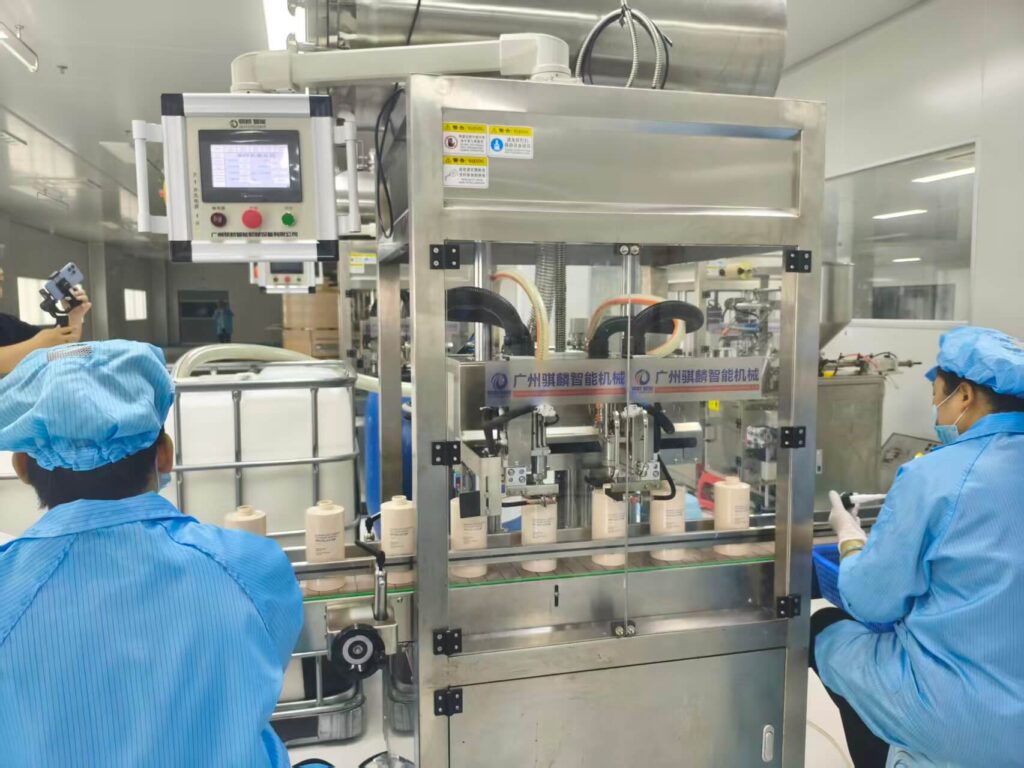
メーカーが標準化された生産工場を持っているかどうかを確認する, 安定した充填装置, 原材料および完成品の包括的な検査プロセス, バッチレコード, 完全なトレーサビリティ. どのヘアケアブランドでも, 一貫した生産品質と厳格な QC は、まばゆいばかりのサンプルよりもはるかに重要です.
間違い 4: 梱包について考えましたか?
多くのブランドは初期段階で配合に集中するあまり、ボトルのことだけを考え始めます。, ラベル, サンプルが承認された後に外箱を作成することにより、プロジェクト全体が大幅に遅れる可能性があります。.
パッケージングは見た目の美しさだけを重視するものではありません; ユーザーエクスペリエンスに直接影響します, 輸送の安全性, 棚の陳列, そしてコスト. 例えば: シャンプーはポンプを使うべきか、フリップトップキャップを使うべきか? ヘアマスクは瓶またはチューブに入っていますか?? ヘアオイルはスポイトかポンプを使うべきか? サロングレードの製品は通常、大きいサイズに適しています; 電子商取引製品は輸送中に漏れ防止でなければなりません; プレミアム商品にはカートンやギフトボックスが必要になることがよくあります.
それを避ける方法: 最初からパッケージングソリューションを支援できるメーカーを選択してください. あ 専門メーカー 適切なボトルを選択するのに役立ちます, ラベル, 外箱, 配合と予算に基づいた全体的なパッケージング戦略. これにより、個別の包装サプライヤーを調達する時間を節約できるだけでなく、配合と包装が完全に互換性があることが保証されます。.
間違い 5: MOQを確認しましたか & タイムライン?
MOQとリードタイムはフォーミュラによって大きく異なる場合があります, 梱包, カスタマイズ要件, と生産能力. 標準的なフォーミュラと在庫パッケージを使用するプロジェクトは、より柔軟になる傾向があります。, 一方、カスタムボトルに関するもの, 高級フレグランス, 独自の色, またはギフトボックスのパッケージは通常、より高いMOQとより長い生産サイクルを必要とします.
それを避ける方法: 正式な協力の前に, あらゆるタイムラインとマイルストーンを明確にする, サンプル開発期間を含む, 改訂ラウンド数, 包装承認期限, 大量生産のリードタイム, そしてスケジュールを並べ替える. これにより、後のプロセスで予想外のコストやスケジュールが予想外に発生することを防ぎます。.
結論
ヘアケア製品メーカーを選ぶとき, 価格だけを考慮すべきではありません. さらに重要なのは、工場が製品のポジショニングを理解しているかどうかです, 配合Rを保有&D 機能, バッチ間の一貫性を保証します, 梱包サポートを提供します, 長期的に維持できる, 安定したパートナーシップ.
宜康源 に特化してきた OEM/ODM 以来、ヘアケアおよびパーソナルケア製品に 2004. と 20 生産ライン, 以上 1,000 証明された公式, GMPC認証, そしてクラス 100,000 クリーンルームワークショップ, 私たちはあなたのブランドの成功をサポートするための設備を完備しています. 市場に参入する新興企業であっても、製品ラインの拡大を検討している老舗企業であっても, シャンプーの開発をお手伝いします, コンディショナー, ヘアマスク, 頭皮ケア製品, ヘアオイル, または完全なヘアケア コレクション.
よくある質問
1. OEMとODMの違いは何ですか?
OEMメーカーはお客様の仕様に応じて製品を生産します, ODMメーカーは独自の仕様に基づいて製品を設計および生産します。. どのモデルを選択するかは、すでに定義された処方があるか、処方開発の支援が必要かによって異なります。.
2. 既製のフォーミュラは新しいブランドに適していますか?
はい. 既製のフォーミュラはすでに複数回の製造実行と調整を経ています, そのため、通常は安定性が向上し、開発サイクルが短縮されます。. 新しいブランドは、市場テスト用の実証済みの配合から始めて、販売フィードバックに基づいてアップグレードできます。.
3. メーカーの信頼性を確認するにはどうすればよいですか?
GMPC認証を取得しているかどうかを評価できます, クリーン生産施設, 社内R&D, 品質テスト手順, 生産バッチ記録, およびトレーサビリティシステム. また, 海外の顧客への対応と輸出書類の処理の経験をチェックする.
4. サンプル開発にはどのくらい時間がかかりますか, 費用はかかりますか?
サンプル タイムラインの範囲は通常、次のとおりです。 7 に 15 営業日, 式の複雑さと必要な反復回数に応じて. メーカーによってはサンプル料金がかかる場合があります, これは多くの場合、最初の一括注文に対して免除されるか、クレジットされます。. 必ずサンプルポリシーを確認してください, リビジョン制限, 予期せぬ請求を避けるため、事前に配送手配を行います.
- 間違い 1: あなたの製品は誰のためのものですか?
- 間違い 2: ボトルに充填する以上のことができるのか?
- 間違い 3: あなたのサンプルは本物ですか?
- 間違い 4: 梱包について考えましたか?
- 間違い 5: MOQを確認しましたか & タイムライン?
プライベートブランドのヘアケアラインを立ち上げる準備ができました?
カスタム式, 梱包サポート, 品質管理と輸出サービス — すべては 1 つの経験豊富なメーカーによるものです.
